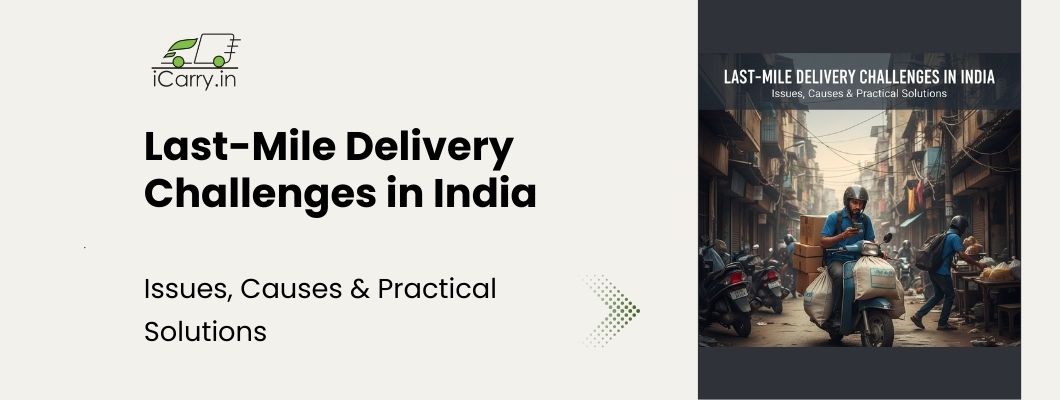
Last-mile delivery is the most expensive, unpredictable, and customer-visible part of logistics, often becoming the biggest operational pain point for growing eCommerce businesses.
In India, it's even more complex - dense cities, narrow lanes, COD dominance, address inconsistencies, and unpredictable customer availability all collide at the final doorstep.
This guide breaks down the key last-mile delivery challenges in India, the root causes behind them, and practical solutions that businesses actually use.
Why Last-Mile Delivery Is So Challenging in India
India's logistics environment is unique because of:
- High population density
- Mixed infrastructure quality
- COD-heavy orders
- Informal addressing systems
- Diverse consumer behavior
The last mile isn't just delivery - it's problem solving in real time, where inefficiencies quickly translate into higher costs and customer dissatisfaction.
Major Last-Mile Delivery Challenges in India
1. Inaccurate or Incomplete Addresses
The Issue
Addresses often include:
- Landmarks instead of pinpoints
- Missing house numbers
- Informal locality names
Why It Happens
India lacks a standardized addressing system in many areas.
Practical Solutions
- Address auto-validation at checkout
- Mandatory landmark and phone number fields
- Pin-code level serviceability checks
- Map-based location sharing
2. High Cash-on-Delivery (COD) Failure Rates
The Issue
COD orders often result in customer refusal or unavailability, significantly increasing return volumes and reverse logistics costs.
- Customer refusal
- Unavailability
- Fake orders
Why It Happens
- Low commitment in COD
- Price sensitivity
- Impulse buying
Practical Solutions
- COD confirmation via WhatsApp/SMS
- Partial prepaid or COD fee
- COD limits for repeat RTO users
- Incentives for prepaid orders
According to Statista, delivery performance metrics like COD success rates and return volumes are closely tied to customer experience and operational efficiency in online retail.
3. Customer Unavailability at Delivery Time
The Issue
Delivery attempts fail because customers are:
- At work
- Not answering calls
- Out of station
Why It Happens
Rigid delivery windows and poor communication.
Practical Solutions
- Time-slot selection
- Pre-delivery notifications
- Easy rescheduling options
- Evening and weekend delivery slots
4. Narrow Lanes & Poor Urban Infrastructure
The Issue
Many areas:
- Are inaccessible by large vehicles
- Have no parking space
- Face traffic congestion
Why It Happens
Unplanned urban growth and old city layouts.
Practical Solutions
- Two-wheeler delivery fleets
- Hyperlocal delivery partners
- Micro-hubs closer to customers
- Route optimization tools
5. Rural & Remote Area Deliveries
The Issue
Deliveries in rural areas face:
- Long distances
- Low order density
- Limited courier reach
Why It Happens
Higher cost per delivery and lower profitability make courier selection especially important in low-density regions.
Practical Solutions
- Regional courier partnerships
- Hub-and-spoke models
- Delivery day batching
- Clear delivery expectations
6. High Return-to-Origin (RTO) Rates
The Issue
Failed deliveries result in:
- Double shipping cost, which directly eats into margins when logistics expenses aren't optimized.
- Inventory blockage
- Margin erosion
Why It Happens
COD failures, address issues, and customer intent mismatch.
Practical Solutions
- RTO risk scoring
- Pre-dispatch verification
- NDR (Non-Delivery Report) optimization
- Courier performance monitoring
7. Delivery Agent Constraints
The Issue
Delivery partners face:
- High workloads
- Low incentives
- Safety risks
- Pressure to deliver fast
Why It Happens
Thin margins and operational stress.
Practical Solutions
- Fair incentive structures
- Better route planning
- Digital delivery tools
- Respectful customer communication
8. Lack of Real-Time Visibility
The Issue
Customers and sellers often:
- Don't know exact delivery status
- Receive delayed updates
Why It Happens
Disconnected systems and poor tracking increase customer queries and support tickets after dispatch.
Practical Solutions
- Real-time tracking integration
- Automated status updates
- Exception alerts for delays
Technology's Role in Solving Last-Mile Challenges
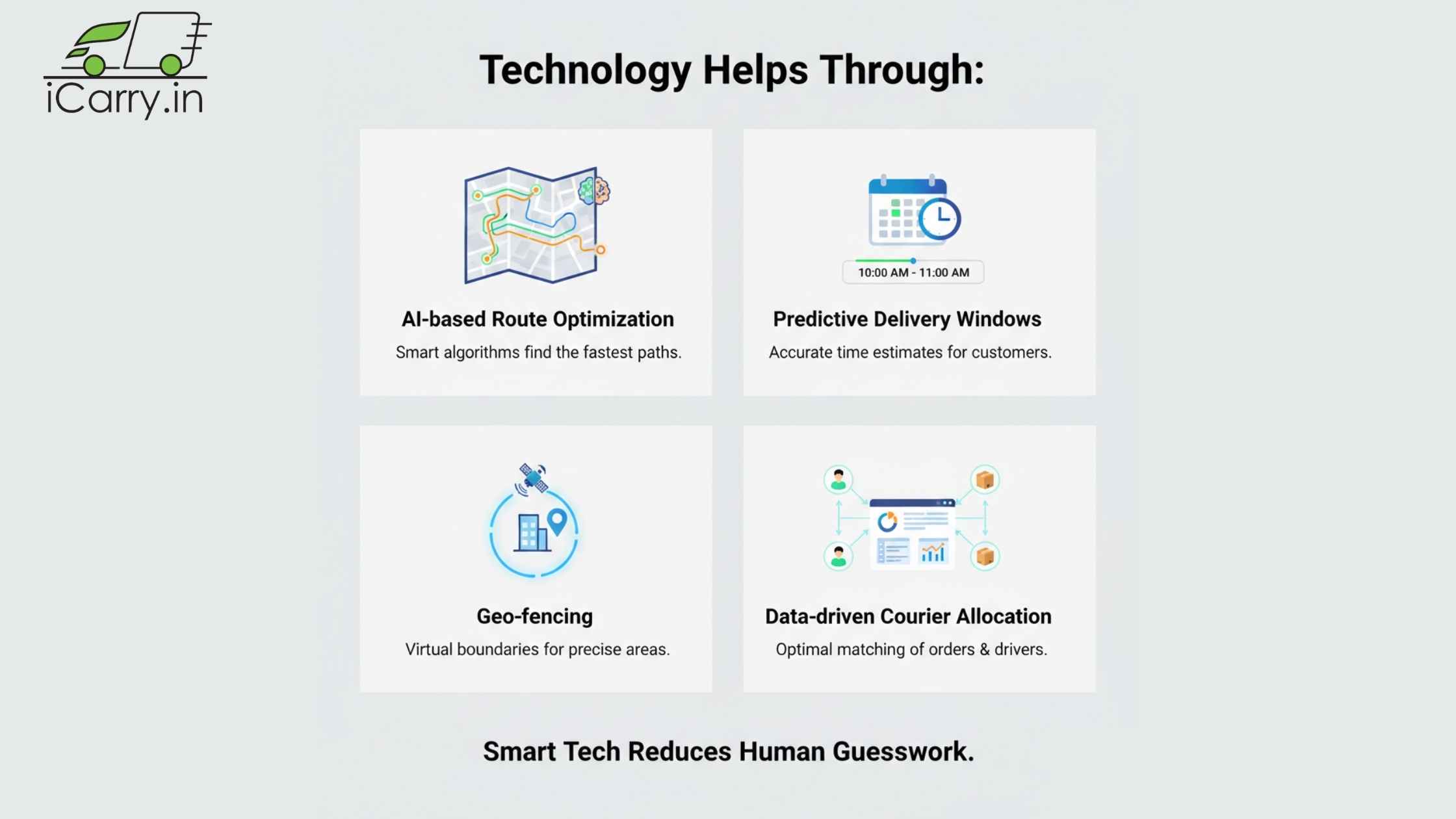
Technology helps through:
- AI-based route optimization
- Predictive delivery windows
- Geo-fencing
- Data-driven courier allocation
Smart tech reduces human guesswork.
Policy & Ecosystem Challenges
Structural issues include:
- Traffic regulations
- Labor availability
- Fuel price volatility
- Regional policy differences
Businesses must adapt - not wait for perfection.
The World Bank's Logistics Performance Index (LPI) highlights how infrastructure, timeliness, and tracking systems impact delivery efficiency across countries, reinforcing structural challenges in logistics.
How Businesses Can Reduce Last-Mile Failures
Focus on:
- Better checkout data
- Proactive customer communication
- A multi-courier strategy helps businesses route shipments through partners that perform best in specific pincodes.
- Continuous performance monitoring
Small improvements compound fast.
Insights from Think with Google show that clear delivery tracking and communication substantially improve customer satisfaction and repeat purchase intent.
Future of Last-Mile Delivery in India
Expect growth in:
- Hyperlocal delivery
- EV-based fleets
- Drone & autonomous trials
- Address intelligence systems
India's last mile will improve - step by step.
Final Thoughts
Last-mile delivery in India is hard - but not impossible.
The brands that win:
- Design for Indian realities
- Invest in data and communication
- Optimize processes continuously
Trust is the most fragile asset in commerce. Once it's broken, no discount, promotion, or apology can fully restore it. Customers may give a second chance-but they rarely forget a failed promise.
Pre-orders, in particular, are built entirely on trust. They are not just about selling early or testing demand. They represent a commitment-customers agree to wait because they believe the product will arrive as promised, on time, and without complications.
When pre-order fulfillment falls short-through delays, missed updates, or unclear delivery timelines-confidence erodes quickly. The damage extends beyond a single order, affecting brand perception and long-term loyalty.
That's why successful brands treat pre-order logistics with exceptional care. Reliable fulfillment, proactive communication, and end-to-end delivery visibility ensure that patience is rewarded, not tested.
Platforms like iCarry.in help businesses manage pre-order fulfillment with consistency and control-reducing delivery risk while keeping customers informed as order volumes scale.
Understand pre-orders for what they truly are: a trust contract. Honor it carefully. And make sure every delayed shipment still delivers confidence.
Last-mile delivery challenges in India—address inaccuracies, COD failures, infrastructure constraints, and poor visibility—require proactive communication, multi-courier strategies, and real-time tracking to reduce RTO rates and build customer trust.