You packed the order. The courier picked it up. But three days later, your customer gets a cracked screen -and wants a full refund. Sound familiar?
Electronics is one of the fastest-growing categories in Indian eCommerce. But it is also one of the most unforgiving when things go wrong. One bad delivery can mean a costly return, a negative review, and a dent in your margins.
The good news? Most of this is avoidable. The problem is rarely the product. It is usually how it was packed, which courier was chosen, or whether the right compliance steps were followed.
This guide breaks it all down -simply, practically, and without the jargon. Whether you are shipping 10 orders a week or 10,000, getting electronics delivery right is non-negotiable. You can also read about how to reduce RTO and return losses to protect your margins further.
What is Electronics Shipping?
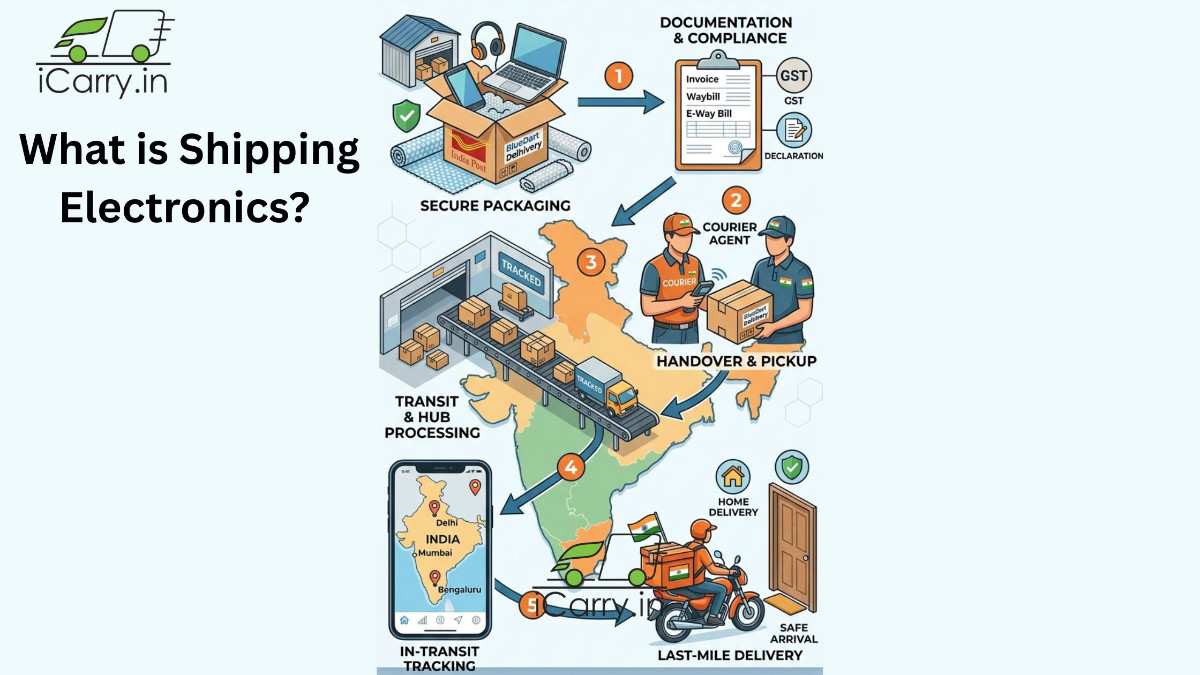
Electronics shipping is getting electronic products from your warehouse or fulfilment centre to the customer -safely and on time.
Unlike shipping a kurta or a book, electronics need more attention at every step. Three things matter most:
- Protect the product from damage in transit
- Follow the relevant compliance rules -especially for battery-powered items
- Choose a courier who actually handles electronics well
This process is crucial because electronic items are delicate, high-value, and often require specialised logistics handling within efficient supply chain operations.
In simple terms, it involves three key steps: Protect the product → Follow regulations → Deliver safely
Why Electronics Need Special Handling
Most product categories are forgiving. Electronics are not. Here is why:
Fragility
Screens, circuits, and internal components can break from a single drop -even when the outer box looks fine. Electronics see 20–30% higher damage-related return rates compared to standard categories like apparel in Indian eCommerce.
High Value
Electronics are expensive. Theft, loss, or damage during transit has a direct financial impact on your business. One lost shipment above ₹10,000 can wipe out the margin from 15–20 other orders.
Sensitive Components
Static electricity, moisture, and impact can damage chips and display panels without leaving any visible mark on the packaging.
Compliance Requirements
Battery-powered devices -power banks, wireless earphones, laptops -come with specific transport rules. India's regulatory framework for lithium batteries is getting stricter. Non-compliance can get your shipment rejected or held at a checkpoint.
Types of Electronics Commonly Shipped
Different products have different handling and compliance needs:
- Consumer Electronics -Smartphones, laptops, tablets. High-value and fragile. Require double-layer packaging and shipment insurance.
- Small Electronics -Earphones, chargers, accessories. Often shipped in bulk. Cushioning is still essential even for small items.
- Large Electronics -TVs, home appliances. Heavy-duty packaging needed. Surface transport is preferred.
- Battery-Powered Devices -Power banks, wireless gadgets. Must comply with lithium battery transport regulations.
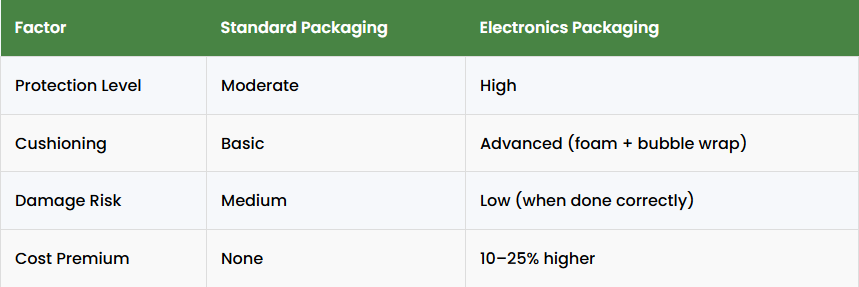
Packaging Requirements for Electronics
Packaging is the single biggest factor in reducing damage during transit. Here is what good electronics packaging looks like:
Primary Packaging
Use the original manufacturer packaging wherever possible. It is designed specifically for that product and provides the best fit.
Secondary Packaging
Add an outer corrugated box or rigid carton. This absorbs external impact that the product box alone cannot handle.
Cushioning Materials
Bubble wrap, foam inserts, and air pillows are your best tools. Do not skip this step, even for small items like chargers.
Void Filling
Fill all empty spaces inside the box. If the product can move around inside the package, it will get damaged.
Sealing and Labelling
Use strong adhesive tape. Add "Fragile" and "This Side Up" labels clearly on all sides of the outer box.
How to Pack Electronics for Courier -Quick Checklist
- Use the original manufacturer box
- Add an outer corrugated carton
- Wrap with bubble wrap or foam inserts on all sides
- Fill all empty space so the product cannot shift
- Seal firmly with strong adhesive tape
- Label all sides: Fragile, This Side Up
Compliance Requirements for Shipping Electronics in India
This is where many sellers get tripped up. Here are the key areas to know:
Lithium Battery Regulations
Battery-powered devices must comply with specific safety and transport guidelines. Some couriers refuse battery-powered products outright, or require special documentation. Always check before dispatching.
E-Way Bill (GST Compliance)
An E-Way Bill is required for high-value shipments under India's GST rules. Check the GST portal for current thresholds and requirements. Missing this document can get your shipment held at a checkpoint.
Product Labelling
Packages must include product details, safety instructions, and handling guidelines -especially for battery-powered items and high-value goods.
Courier Restrictions
Every major courier has its own list of restricted or conditionally accepted electronic items. Verify before dispatching. This is especially important for air shipments of battery-powered products.
How to Ship Electronics Safely -Step by Step
- Inspect the product -Check it is fully functional and free from defects before packing.
- Pack securely -Use multi-layer packaging with appropriate cushioning. Follow the checklist above.
- Label correctly -Add fragile, orientation, and handling labels on all sides of the outer box.
- Choose the right courier -Work with logistics partners who have a proven track record in electronics delivery. iCarry® helps you compare courier performance and rates across pin codes so you are not left guessing.
- Select the shipping mode -Air for speed and high-value items. Surface for cost efficiency on lower-value products. Read more about reducing shipping costs for eCommerce in India to find the right balance.
- Track until delivery -Monitor shipments actively. Do not wait for the customer to raise a complaint.
Cost Factors in Shipping Electronics
Electronics shipping typically costs 10–25% more than standard products due to packaging requirements and handling complexity. According to research on Indian eCommerce logistics costs, logistics expenses remain one of the top cost pressures for online sellers -and electronics compounds this further. Factor this into your pricing before listing products.
| Cost Component | What Drives It Up |
|---|---|
| Packaging Materials | Multi-layer boxes, foam, bubble wrap |
| Shipment Insurance | Recommended for items above ₹5,000 |
| Shipping Mode | Air is significantly more expensive than surface |
| Dimensional Weight | Thick packaging increases volumetric pricing |
| Handling Surcharges | Some couriers add fees for electronics or batteries |
Calculate your shipping cost across couriers and compare rates for your pin codes on iCarry's rate calculator.
Common Mistakes Sellers Make
These mistakes show up repeatedly -and are almost always avoidable:
- Using weak or single-layer packaging for fragile items
- Skipping cushioning -especially for small but sensitive products like earphones or chargers
- Choosing low-cost couriers without checking their electronics handling track record
- Not insuring high-value shipments -one theft or loss can wipe out weeks of margin
- Ignoring courier-specific battery restrictions until the shipment gets rejected
Best Practices for Shipping Electronics in India
Here is what sellers who get this right consistently do:
- Use double-layer packaging for anything fragile or high-value
- Always insure shipments above a threshold that would hurt your business if lost
- Compare courier performance by pin code -not just price
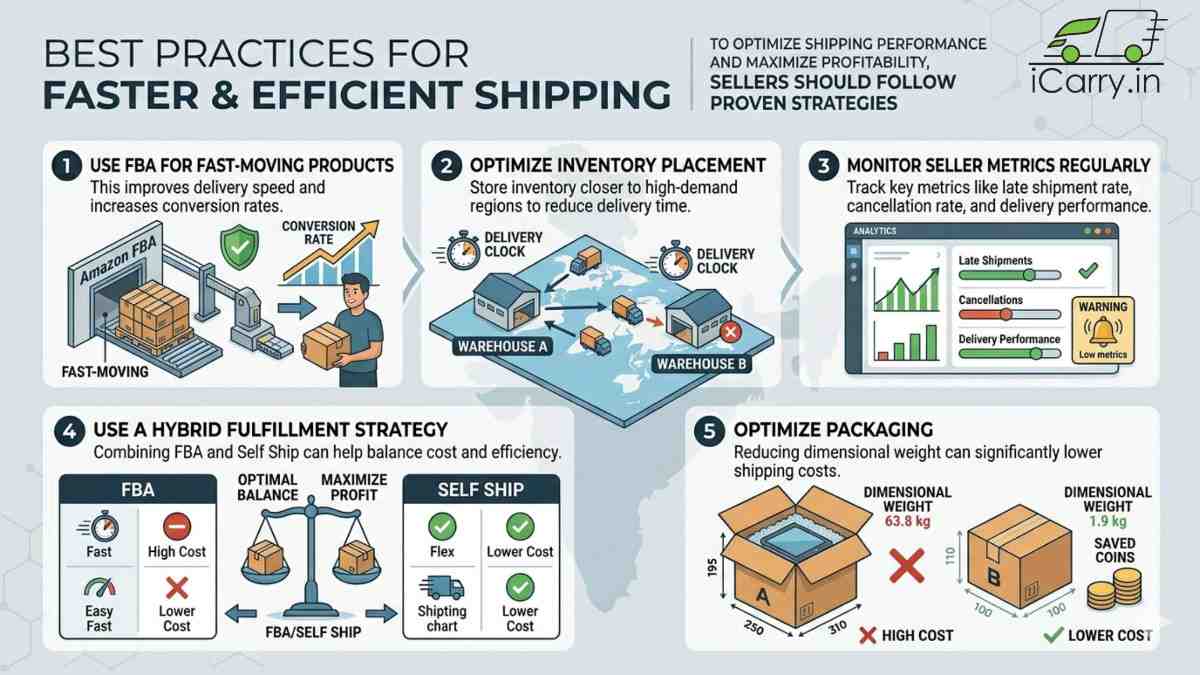
- Optimise packaging dimensions to reduce volumetric weight charges
- Train warehouse and packing staff on correct handling procedures
- Use a shipping platform like iCarry® to streamline courier selection, tracking, and cost comparison in one place
For sellers who want to understand courier selection more deeply, our guide on how to choose the right COD courier partner covers what to look for and what to avoid.
What the Numbers Say
| Metric | Insight |
|---|---|
| Damage reduction with proper packaging | 30–50% fewer damage-related returns |
| Electronics return rate vs other categories | 20–30% higher than apparel in Indian eCommerce |
| Cost premium for electronics shipping | 10–25% above standard product shipping |
| High-value shipment insurance threshold | Recommended above ₹3,000–5,000 per shipment |
Conclusion
Shipping electronics in India is not complicated -but it does require more care than most other categories. One wrong step in packaging or courier selection, and you are absorbing the cost of a return that was entirely avoidable.
The sellers who get this right invest a little more upfront in packaging, choose couriers based on performance rather than price alone, and use tools that give them visibility and control across every shipment.
That is what iCarry® is built for. Watch how iCarry® works step by step and start shipping with confidence.
Frequently Asked Questions
How should electronics be packed for courier in India?
Use the original manufacturer box wherever possible, then add an outer corrugated box with bubble wrap or foam inserts. Fill any empty spaces to prevent movement. Label all sides as Fragile.
Are there special rules for shipping electronics in India?
Yes. Battery-powered devices must meet specific transport regulations. High-value shipments may require an E-Way Bill under GST rules. Always verify with your courier before dispatching.
Is insurance necessary for electronics shipments?
For anything above ₹3,000–5,000 in value, yes. One lost or stolen shipment can wipe out significant margin. Insurance is a small cost relative to the risk.
Which shipping mode is best for electronics?
Air shipping is preferred for high-value or time-sensitive items. Surface shipping works for lower-value accessories where speed is less critical.
How can I prevent damage during electronics shipping?
Use double-layer packaging, choose couriers with a proven electronics handling track record, add appropriate cushioning, and train your packing staff. Compare courier rates on iCarry® before dispatching.
Why is electronics shipping more expensive?
Because the packaging costs more, the handling requirements are higher, and insurance adds to the overall cost. Factor this into your product pricing from the start.
What are electronics shipping guidelines for Indian eCommerce sellers?
Follow multi-layer packaging standards, comply with lithium battery transport rules, get an E-Way Bill for high-value shipments, insure above ₹5,000, and always verify courier restrictions before dispatching battery-powered items.
Shipping electronics safely in India requires multi-layer packaging (original box + outer corrugated carton + foam/bubble wrap), compliance with lithium battery transport regulations and E-Way Bill requirements for high-value shipments, insurance above ₹3,000–5,000, and courier selection based on electronics handling performance -not just price -with proper packaging alone reducing damage-related returns by 30–50%.