
Customers today don't just want fast delivery - they want real-time shipment tracking and complete visibility into where their order is.
In modern eCommerce logistics, real-time order tracking has become a critical part of the post-purchase experience.
Real-time shipment visibility has moved from a "nice-to-have" feature to a basic expectation in eCommerce and logistics. In today's competitive delivery environment, visibility is no longer optional - it is operational leverage. When customers can see where their order is, anxiety drops, trust rises, and delivery success improves.
This guide explains what real-time shipment tracking is, why it matters so much, and how it directly impacts transparency, trust, and successful deliveries.
What Is Real-Time Tracking?
Real-time shipment tracking is a logistics technology that allows businesses and customers to monitor the live location, movement, and delivery status of an order throughout the shipping process.
In simple words:
It answers the customer's biggest question: "Where is my order right now?"
The delivery tracking system usually shows:
- Order dispatched
- In transit
- Out for delivery
- Delivered (with proof)
Studies from India's eCommerce industry reports show that over 80% of online shoppers expect real-time tracking updates.
How Real-Time Shipment Tracking Works
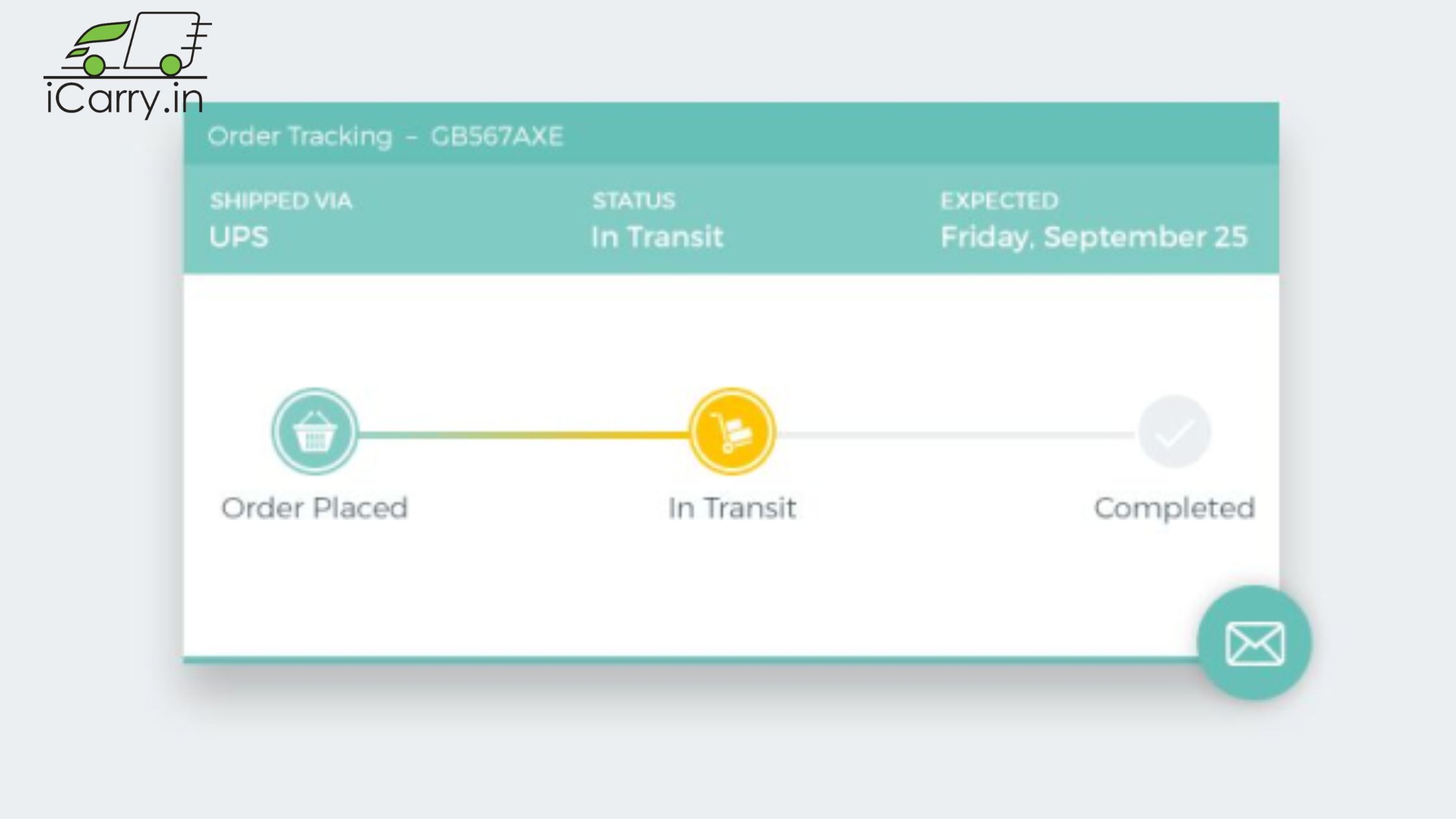
A real-time tracking system works by collecting shipment scan events from courier networks and updating delivery status through APIs. Each time a parcel moves through a logistics checkpoint - warehouse, hub, or delivery van - the tracking system updates the shipment status.
Why Real-Time Tracking Has Become Essential
Customer expectations in eCommerce have evolved rapidly. Today's shoppers place orders more frequently, compare brands instantly, and expect continuous updates throughout the delivery journey. After completing a purchase, customers naturally want reassurance that their order is being processed and shipped properly.
When there is no visibility after payment, many customers assume something has gone wrong-even when the shipment is moving normally within the courier network. A lack of communication creates uncertainty and doubt. Real-time shipment tracking solves this problem by providing continuous updates about the order's movement and delivery status, helping customers feel confident that their purchase is on the way.
In modern eCommerce logistics, silence during the delivery journey creates anxiety, while transparent tracking updates build confidence and trust in the brand.

How Real-Time Tracking Improves Transparency
Transparency in the delivery process means customers are never left guessing about the status of their orders. Real-time shipment tracking makes this possible by giving customers clear visibility into delivery timelines and shipment progress.
When customers can see where their order is and when it is expected to arrive, their confidence in the brand increases. Shipment visibility also allows customers to notice potential delays early, rather than being surprised by unexpected delivery issues. Even when delays occur, early communication through tracking updates helps manage expectations and reduces frustration.
By consistently providing accurate delivery information, businesses appear more organized, reliable, and in control of their logistics operations.
Trust Is Built After Checkout, Not Before
Many brands invest heavily in attracting customers through advertising, website design, and promotional discounts. While these factors help drive purchases, long-term trust is often built after the order has already been placed.
The post-purchase experience plays a critical role in shaping how customers perceive a brand. Real-time shipment tracking reassures customers that their order is legitimate, the business is responsive, and the delivery process is actively being managed.
Each tracking update acts as a small confirmation that the order is progressing as expected. Over time, these consistent updates strengthen customer trust and contribute to a more reliable and professional brand experience.
Impact of Tracking on Delivery Success
1. Reduces Failed Delivery Attempts
When customers know:
- The delivery date
- The delivery window
They are more likely to:
- Be available
- Answer calls
- Accept the order
This directly improves first-attempt delivery success - especially when supported by strong delivery follow-ups and exception handling processes.
2. Lowers Return-to-Origin (RTO) Through Real-Time Order Tracking
Real-time shipment visibility keeps COD customers informed and financially prepared to accept the delivery, reducing refusal-based RTO.
Many RTOs happen because:
- Customers forget they ordered
- They aren't prepared for COD
- Delivery feels unexpected
Tracking keeps the order top-of-mind, reducing refusals.
3. Improves Courier Coordination
With tracking:
- Exceptions are visible
- Delays can be escalated
- Re-attempts can be planned
Issues are fixed proactively, not after failure - particularly when businesses use smart courier selection strategies across different zones.
Customer Experience Benefits of Real-Time Tracking
Real-time shipment tracking plays a major role in improving the overall customer experience during the post-purchase stage. When customers can see the progress of their order in real time, the delivery process feels more transparent, predictable, and reliable.
One of the biggest advantages of real-time tracking is that it reduces "Where Is My Order?" (WISMO) queries. When customers have access to a tracking page that shows the current shipment status, expected delivery timeline, and courier updates, most delivery-related questions are answered automatically. This significantly lowers the number of support tickets and reduces the workload for customer service teams.
Tracking visibility also increases the perceived speed of delivery. Even if the actual shipping time remains the same, customers feel more comfortable waiting when they can see their order moving through the delivery network. Continuous updates reduce uncertainty and make the waiting period feel shorter, which improves overall satisfaction.
Another important benefit is that real-time tracking creates a sense of control for customers. When customers can monitor delivery progress, plan their availability, and prepare for the arrival of the shipment, they feel more involved in the delivery process. This sense of control increases confidence in the brand and leads to a more positive delivery experience.
Real-Time Tracking vs Basic Status Updates

A real-time shipment tracking system upgrades the entire delivery experience.
Why Tracking Matters Even More for COD Orders
Real-time shipment tracking becomes even more important in markets where Cash on Delivery (COD) is a common payment method. Unlike prepaid orders, COD deliveries depend heavily on customer availability and preparedness at the time of delivery, which makes communication and visibility critical.
In COD-heavy markets, customers may place multiple orders and sometimes forget about them before the delivery arrives. Additionally, payment readiness becomes an important factor, since customers need to have cash available when the courier attempts delivery. Customer intent can also vary between the time of order placement and the actual delivery attempt.
Real-time shipment tracking helps reduce these uncertainties by keeping customers informed throughout the delivery journey. Continuous tracking updates remind customers about their upcoming delivery and payment requirement, helping them stay prepared to receive the order. This visibility also reinforces customer commitment to the purchase, which significantly reduces last-minute refusals.
By providing clear delivery updates and reminders, real-time shipment tracking improves COD delivery success and helps businesses lower Return-to-Origin (RTO) rates in COD-heavy markets.
COD without tracking is high risk - especially in regions where courier performance and RTO rates vary significantly.
Common Mistakes Brands Make with Shipment Tracking
While real-time shipment tracking can significantly improve the delivery experience, many businesses fail to implement it effectively. Poorly executed tracking systems often create confusion instead of confidence, ultimately weakening the customer's post-purchase experience.
One common mistake is providing tracking links that rarely update or show outdated shipment information. When customers open a tracking page and see no movement for long periods, they may assume the order is delayed or lost, even if it is moving within the courier network.
Another issue is redirecting customers to courier tracking pages with poor user experience. Many courier websites are not designed for customer-friendly navigation, making it difficult for customers to quickly understand their delivery status. This can lead to frustration and unnecessary support queries.
Brands also make the mistake of not explaining delivery status updates clearly. Terms such as "in transit" or "shipment processed" can be vague for customers who are unfamiliar with logistics terminology. Clear and descriptive status messages help customers understand exactly where their order is in the delivery journey.
Finally, some brands go silent during delays or delivery exceptions. When there is no communication about a delay, customers often assume the worst. Transparent updates during unexpected issues help maintain trust and reduce frustration.
In many cases, poorly implemented tracking creates more uncertainty than having no tracking at all. A well-designed real-time shipment tracking system should provide accurate updates, clear communication, and a smooth tracking experience that reassures customers throughout the delivery process.
Best Practices for Effective Real-Time Tracking
Implementing real-time shipment tracking effectively requires more than simply providing a tracking link. Businesses need to ensure that the tracking experience is clear, proactive, and aligned with their brand communication.
Use branded tracking pages whenever possible. Instead of redirecting customers to generic courier websites, branded tracking pages keep the customer within your brand ecosystem. This creates a more professional experience, reinforces brand identity, and allows businesses to control how delivery information is presented.
Send proactive tracking notifications to customers. Delivery updates should not rely only on customers checking the tracking page themselves. Businesses should automatically push shipment updates through channels such as SMS, WhatsApp, or email. Proactive notifications keep customers informed throughout the delivery journey and significantly reduce "Where Is My Order?" (WISMO) queries.
Provide clear and meaningful status messages. Tracking updates should avoid vague or confusing terms that leave customers uncertain about delivery timelines. Instead, status messages should be specific and easy to understand. For example, a message such as "Out for delivery - expected by 8 PM" gives customers clear expectations and helps them plan their availability.
Communicate delivery exceptions transparently. If a shipment is delayed or encounters a delivery issue, the tracking system should highlight the exception clearly and provide a brief explanation. Early and honest communication reduces frustration and builds long-term trust, even when delays occur.
All of these best practices are not optional anymore - they are essential for modern eCommerce operations.
The advantage with iCarry.in is that these capabilities come built-in by default. Every iCarry client benefits from branded tracking pages, automated customer notifications, real-time shipment visibility, and clear delivery status communication without needing additional integrations or tools.
This allows businesses to deliver a premium post-purchase experience effortlessly, while improving operational efficiency and customer trust.
How Real-Time Tracking Becomes More Effective with Proactive Customer Communication
Real-time tracking delivers the most value when it goes beyond passive status updates and becomes part of proactive customer communication. Simply providing a tracking link is often not enough, as many customers do not repeatedly check tracking pages during the delivery journey. Instead, timely and contextual updates delivered directly to the customer significantly improve engagement and delivery outcomes.
One of the most effective ways to enhance tracking visibility is through WhatsApp-based shipment notifications. Since WhatsApp is widely used and frequently checked, sending automated delivery updates such as "Out for delivery," "Arriving today," or "Delivery attempted" ensures that customers stay informed without needing to search for information. This reduces missed deliveries, improves response rates, and keeps the order top-of-mind throughout the delivery cycle.
In addition to messaging, personalized tracking pages further improve the customer experience by keeping users within a branded environment. Unlike generic courier tracking links, personalized tracking pages provide clear, simplified status updates, expected delivery timelines, and consistent brand communication. This creates a more professional and trustworthy experience while reducing confusion caused by complex courier interfaces.
Another critical layer in improving delivery success is proactive customer validation and follow-up. Many delivery failures occur not because of logistics issues, but due to incorrect intent, unavailability, or lack of confirmation from the customer. This is where structured follow-up systems become important. For example, confirming orders before shipment, validating delivery intent, and staying in touch with customers during the delivery journey can significantly reduce failed attempts and Return-to-Origin (RTO) cases.
This approach becomes even more effective when supported by operational systems that actively manage customer communication. With iCarry's Delivery Boost, businesses can ensure that customers are contacted to confirm orders, multiple follow-ups are attempted when needed, and delivery issues such as fake NDRs are proactively handled through call-based intervention. This adds a human layer to tracking, improving delivery reliability beyond system-based updates.
Similarly, WhatsApp engagement through iCarry ensures that customers receive timely updates, can respond instantly, and even resolve delivery issues directly through communication channels. Combined with message logs and call traceability, this creates a more accountable and transparent delivery process.
When real-time tracking is combined with proactive communication, personalized tracking interfaces, and structured follow-ups, it shifts from being a basic visibility tool to a complete post-purchase engagement system. Businesses that implement this approach see better customer responsiveness, fewer support queries, improved delivery success rates, and significantly lower RTO.
Real-Time Tracking & Long-Term Customer Retention
Customers tend to remember the overall delivery experience long after the purchase itself. Smooth deliveries, clear communication, and predictable timelines create a sense of reliability that strengthens customer confidence in a brand. When customers feel informed and in control during the delivery journey, their satisfaction with the purchase increases significantly.
Real-time shipment tracking plays a crucial role in building this positive experience. By providing continuous updates and transparent delivery status, businesses reduce uncertainty and make the post-purchase process feel organized and dependable.
Brands that implement strong real-time tracking systems often see measurable long-term benefits. Improved shipment visibility leads to higher customer satisfaction, which in turn drives more repeat orders, better online reviews, and fewer customer disputes related to delivery issues. Over time, this consistent and transparent delivery experience becomes a key factor in customer retention and brand loyalty.
PwC's "Experience Is Everything" report confirms that customers are more likely to stay loyal to brands that provide transparent, reliable post-purchase experiences.
Tracking as an Internal Operations Tool
Tracking is not only valuable for customers-it is also a powerful operational tool for businesses. By analyzing shipment tracking data, companies can monitor courier performance, identify delay-prone delivery zones, improve SLA adherence, and optimize routing and delivery planning. This operational visibility helps logistics teams make faster and more informed decisions.
Visibility improves decisions - especially when shipping performance data is used to optimize cost, speed, and courier allocation.
When integrated within a structured logistics management system, real-time tracking becomes more than a notification tool - it becomes operational intelligence.
Choosing the Right Shipping Platform for Your Business
As your business grows, choosing the right logistics partner becomes critical.
Many sellers explore courier aggregation platforms to improve delivery performance and reduce costs.
Here's what to consider:
While multiple platforms exist, the right choice depends on your business priorities — whether it's cost savings, delivery reliability, or customer experience.
For growing businesses, having better control over shipping performance often makes a significant difference in long-term profitability.
Final Thoughts
Real-time tracking is no longer a feature - it is a core part of modern eCommerce logistics strategy.
The moment an order is dispatched, the customer journey shifts from purchase to expectation. Without visibility, uncertainty grows. With continuous shipment tracking, delivery timelines feel predictable, communication feels proactive, and trust strengthens naturally.
Real-time tracking reduces WISMO queries, improves first-attempt delivery success, lowers RTO risk in COD-heavy markets, and gives businesses measurable control over courier performance. It transforms delivery from a reactive process into a data-driven operation.
For growing brands, tracking is not just about showing movement - it is about managing perception, improving SLA adherence, and aligning courier coordination with customer communication.
Because in today's logistics environment, speed matters - but transparency is what builds long-term customer trust.
Brands looking to reduce RTO, improve first-attempt delivery success, and maintain consistent shipment visibility increasingly move beyond basic courier tracking links. What makes the difference is having a unified view of shipment movement, courier performance, and delivery communication across operations.
Across India's evolving logistics ecosystem, solutions like iCarry bring together real-time tracking visibility, courier allocation, SLA monitoring, and performance insights into a centralized workflow that helps brands operate with greater clarity and control.
And brands that build visibility into every stage of the post-purchase experience - rather than treating tracking as a simple status update - are the ones that scale with consistency.
If you're looking to offer a better delivery experience without building complex logistics systems, platforms like iCarry can help you streamline shipping, enable real-time tracking, and improve customer satisfaction - all from a single dashboard.
Want to Reduce Shipping Costs & RTO Losses?
If you're an online seller or an offline business, hidden logistics inefficiencies could be silently eating into your profits.
Get a quick evaluation of your shipping setup and discover:
- Where you're overpaying on courier costs
- How to reduce RTO losses
- Ways to improve delivery success rates
- Opportunities to streamline multi-channel shipping
With iCarry, businesses get access to optimized courier allocation, faster COD remittance, and built-in tracking systems - without any complex setup.
👉 Start optimizing your shipping operations with iCarry today.
Frequently Asked Questions About Real-Time Shipment Tracking
1. What is real-time shipment tracking?
Real-time shipment tracking is a logistics technology that allows customers and businesses to monitor the live or near-live location and delivery status of an order during transit. It provides continuous updates such as order dispatched, in transit, out for delivery, and delivered. Real-time tracking improves shipment visibility and helps customers know exactly where their order is throughout the delivery journey.
2. How does real-time tracking reduce WISMO queries?
Real-time tracking reduces "Where Is My Order?" (WISMO) queries by giving customers direct access to shipment status updates. When customers can view the delivery progress, expected delivery time, and courier updates on a tracking page, they no longer need to contact support for order status. This reduces customer service workload and improves operational efficiency.
3. Why is shipment visibility important in eCommerce?
Shipment visibility is important in eCommerce because it improves transparency, builds customer trust, and reduces delivery uncertainty. When customers can track their orders in real time, they feel confident that the order is being processed and delivered properly. Better shipment visibility also helps businesses monitor courier performance, identify delays early, and improve delivery success rates.
4. Does real-time tracking reduce RTO (Return to Origin)?
Yes, real-time tracking can significantly reduce RTO (Return to Origin), especially in cash-on-delivery (COD) orders. Continuous delivery updates remind customers about their orders, help them prepare for payment, and ensure they are available to receive the shipment. This reduces last-minute refusals, missed deliveries, and unsuccessful delivery attempts.
5. How does real-time tracking improve delivery success?
Real-time tracking improves delivery success by informing customers about delivery timelines and status updates. When customers know when their order will arrive, they are more likely to be available to receive it. It also allows businesses to identify delays, manage courier exceptions, and plan re-delivery attempts more efficiently.
6. What is the difference between basic tracking and real-time tracking?
Basic tracking only provides limited status updates such as dispatched or delivered, often with delays. Real-time tracking continuously updates shipment movement and delivery progress throughout the logistics journey. This provides better shipment visibility, reduces uncertainty, and improves the overall customer experience.
Real-time shipment tracking is essential for modern eCommerce because it improves transparency, builds customer trust through continuous delivery updates, reduces WISMO queries, increases first-attempt delivery success, lowers RTO rates in COD orders, and transforms tracking from a basic status tool into operational intelligence that drives better logistics decisions.