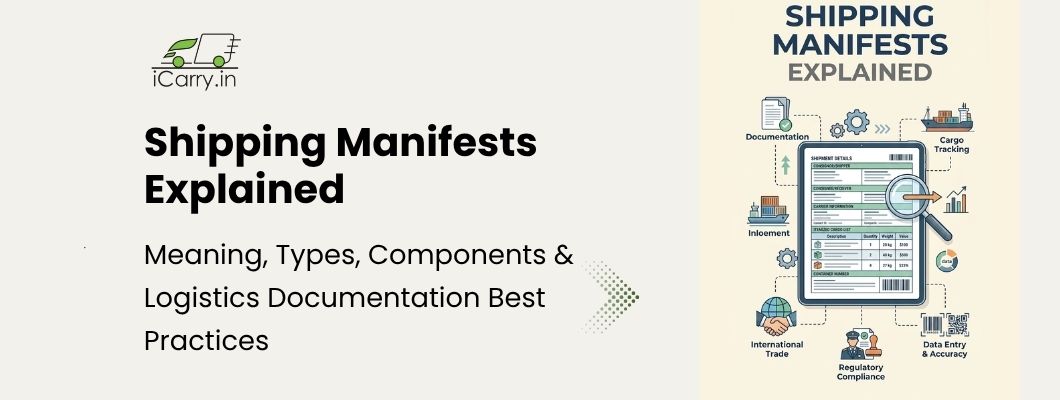
Introduction
In logistics and supply chain operations, shipments often move in bulk—whether it's multiple parcels in a courier truck, containers in ocean freight, or consolidated air cargo shipments. Managing and tracking these shipments efficiently requires proper documentation that summarizes all items being transported, especially when businesses aim to streamline shipping operations at scale.
Global logistics research from McKinsey's supply chain insights emphasizes the importance of standardized documentation in improving supply chain efficiency and reducing operational errors.
This is where a shipping manifest becomes an essential logistics document.
A shipping manifest acts as a master document that lists all shipments or parcels included in a specific transport movement, playing a key role in overall supply chain operations. In supply chain management, consolidated shipment records are essential for tracking, verification, and coordination across logistics networks. It helps logistics teams, warehouse operators, and customs authorities verify shipment details, track goods, and ensure accurate delivery.
In India's fast-growing eCommerce and logistics ecosystem—where thousands of shipments move daily through courier networks—shipping manifests play a critical role in maintaining operational accuracy, compliance, and shipment visibility.
This guide explains what shipping manifests are, their types, key components, operational process, and best practices for logistics documentation.
What is a Shipping Manifest?
A shipping manifest is a logistics document that provides a comprehensive summary of all goods being transported in a single shipment movement—whether via truck, container, or aircraft.
In simple terms:
A shipping manifest is a document that lists all shipments included in a single transport movement.
Instead of tracking each package individually, the manifest acts as a central record, helping logistics teams monitor, verify, and manage shipments efficiently across the supply chain according to best practices outlined by the Council of Supply Chain Management Professionals.
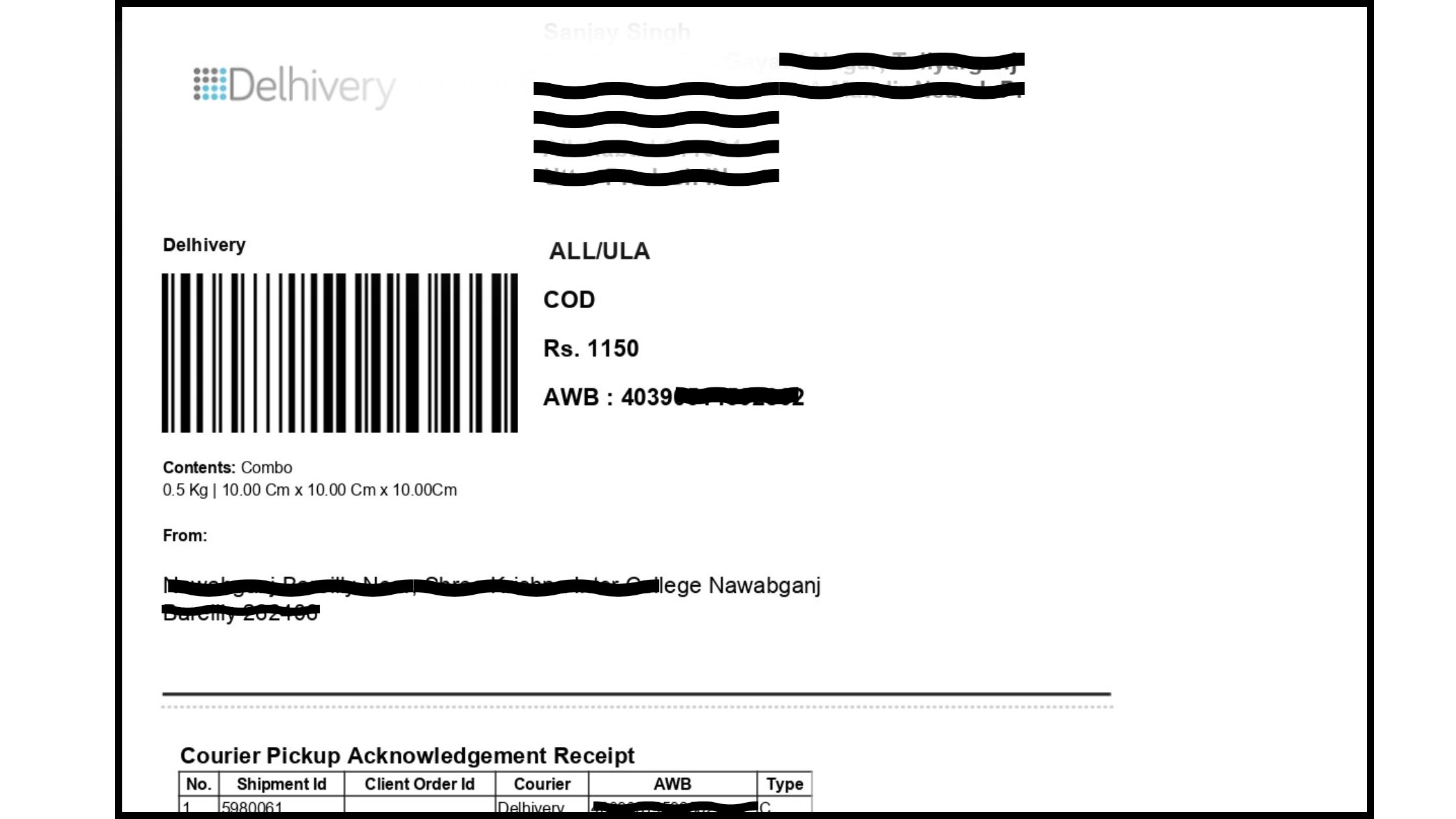
A typical shipping manifest includes:
- Shipment IDs and tracking numbers
- Package details (quantity, weight, dimensions)
- Origin and destination information
- Consignee (recipient) details
In simple terms, it is a complete snapshot of everything being transported together, ensuring accuracy during dispatch, transit, and delivery.
Why Shipping Manifests Matter in Logistics
Shipping manifests play a crucial role in maintaining efficiency and accuracy in logistics operations. Without them, tracking and verifying shipments at scale becomes extremely difficult.
Key Importance
1. Improved Shipment Visibility
Manifests provide a consolidated view of all shipments in transit, making it easier to track movement.
2. Operational Accuracy
Warehouse teams can cross-check shipments during loading and unloading to avoid discrepancies.
3. Faster Sorting & Processing
Courier hubs use manifests to quickly identify and route shipments, reducing delays and improving last-mile delivery efficiency.
4. Regulatory Compliance
Customs and authorities often require manifests for verification, especially in international shipping. Customs documentation requirements play a crucial role in ensuring compliance and facilitating cross-border trade as outlined by the World Trade Organization's Trade Facilitation Agreement.
5. Reduced Errors
They minimize risks of missing, misplaced, or incorrectly routed shipments.
Types of Shipping Manifests in Logistics
Different logistics operations require different types of shipping manifests depending on the mode of transport, shipment volume, and operational complexity. Each type serves a specific purpose in ensuring accurate tracking and smooth transportation.
1. Cargo Manifest
A cargo manifest provides a comprehensive list of all goods loaded onto a transport vehicle such as a ship, truck, or aircraft. It is primarily used in large-scale logistics operations where multiple shipments are handled together.
Common use cases include:
- International shipping
- Air cargo transportation
- Ocean freight logistics
2. Courier Manifest
A courier manifest is widely used in eCommerce and last-mile logistics to manage batches of parcels assigned to delivery routes. It helps streamline dispatch and ensures that all packages are accounted for during delivery.
Typical applications:
- Last-mile delivery operations
- Line-haul transportation between hubs
- Courier sorting and distribution centers
3. Container Manifest
A container manifest includes detailed information about all goods packed inside a shipping container. It is especially important for international trade, where shipments must comply with customs and documentation requirements.
4. Electronic Manifest (e-Manifest)
Modern logistics systems increasingly rely on digital or electronic manifests. Digitalization of logistics processes is a key driver of efficiency and transparency in global supply chains according to the World Bank's transport sector research. These improve efficiency and reduce manual errors by enabling automation and real-time visibility.
Key advantages:
- Real-time shipment updates
- Automated tracking and documentation
- Integration with warehouse and transport systems
Key Components of a Shipping Manifest
A well-structured shipping manifest includes critical information that ensures accurate tracking, verification, and smooth logistics operations. These components act as a central reference point, helping coordinate activities between warehouses, transport providers, and delivery teams.
Core Elements
1. Shipment Identification
Each shipment is uniquely identified using tracking numbers, order IDs, and reference codes. These identifiers make it easy to track, manage, and verify shipments across different stages of the logistics process.
2. Shipper & Consignee Information
This section includes details of both the sender and the recipient, along with the complete delivery address. Accurate information here is essential to ensure successful and timely delivery.
3. Package Details
The manifest also captures package-level information such as the number of packages, their weight and dimensions, and a brief description of the products being shipped. This helps in handling, sorting, and transportation planning.
4. Transport Information
Transport-related details include the vehicle or container number, route information, and origin and destination points. These details are crucial for monitoring shipment movement and ensuring efficient routing.
5. Shipment Summary
At a broader level, the manifest provides a summary that includes the total number of shipments, overall weight and volume, and a batch-level overview for quick reference and verification.
Shipping Manifest Process Explained (Step-by-Step)
Shipping manifests play a critical role throughout the logistics workflow, from order processing to final delivery. The process typically follows a structured sequence to ensure accuracy and efficiency.
How the Process Works
Order Consolidation
Multiple shipments are grouped based on delivery routes, destination regions, or transport schedules to optimize logistics efficiency.
Manifest Creation
A logistics system generates a manifest that lists all shipments included in the batch.
Shipment Loading
Warehouse teams load shipments onto vehicles according to the manifest, ensuring proper organization.
Verification
Each shipment is cross-checked against the manifest to confirm accuracy and prevent errors.
Transit Tracking
The manifest is used to monitor shipment movement during transportation and maintain visibility.
Delivery & Unloading
At the destination, shipments are verified again before final delivery to ensure completeness.
Real-World Examples of Shipping Manifests
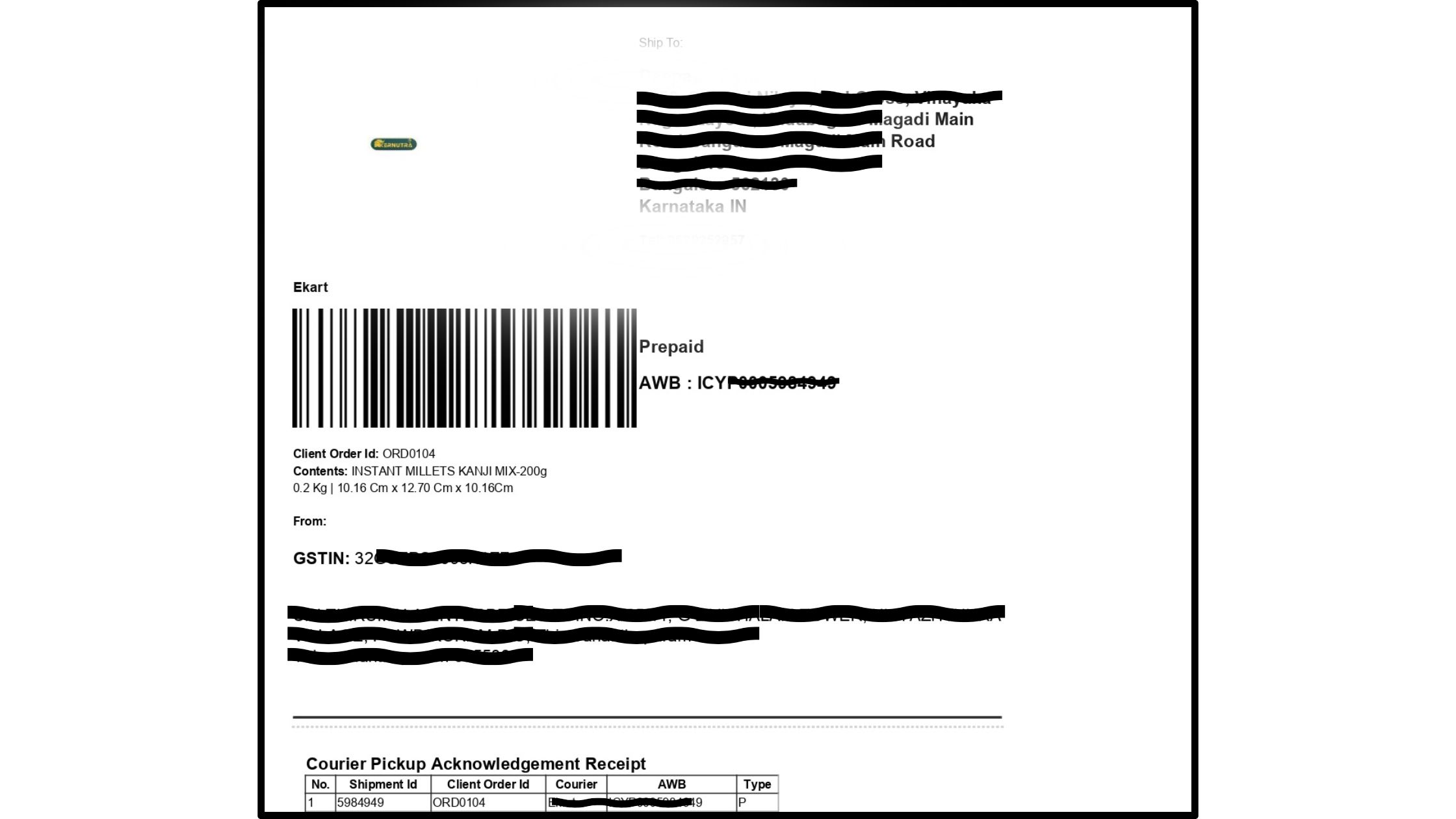
Shipping manifests are widely used across different logistics scenarios. Understanding real-world applications helps illustrate their importance.
Courier Delivery Operations
A courier company generates a manifest for each delivery route, listing all parcels assigned to a delivery agent. This ensures accurate dispatch and prevents missed deliveries.
eCommerce Fulfillment Centers
Warehouses handling high order volumes create manifests to summarize shipments handed over to courier partners, improving coordination and tracking.
International Shipping
For cross-border shipments, container manifests provide detailed information required for customs clearance and shipment tracking.
Shipping Manifests in eCommerce Logistics
In eCommerce logistics, shipping manifests play a critical role in managing high volumes of orders across multiple stages of the fulfillment process. From warehouse dispatch to final delivery, manifests help ensure accuracy, speed, and coordination across courier networks.
Role in Courier Batching
Shipping manifests are used to group multiple orders into batches based on delivery routes, courier partners, or destination zones. Efficient logistics performance depends heavily on optimized routing, batching, and shipment consolidation strategies as analyzed by the World Bank's Logistics Performance Index. This batching process helps streamline dispatch operations and ensures that all shipments assigned to a specific route are tracked together.
Role in Hub Sorting
At courier hubs and sorting centers, manifests act as a reference document for scanning, sorting, and routing shipments. They enable faster identification of parcels, reduce sorting errors, and improve operational efficiency within high-volume logistics environments.
Role in Last-Mile Delivery
During last-mile delivery, manifests provide delivery agents with a consolidated list of all shipments assigned to them. This helps ensure accurate deliveries, minimizes missed parcels, and improves overall delivery performance and customer satisfaction.
In summary, shipping manifests act as a central control document in eCommerce logistics, supporting efficient courier operations, better shipment visibility, and faster order fulfillment.
Shipping Manifest vs Packing List
Although often confused, a shipping manifest and a packing list serve different purposes in logistics operations.
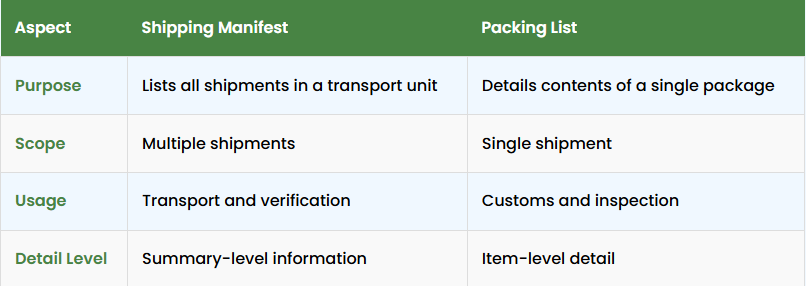
Both documents are complementary and essential for efficient logistics management.
Benefits of Shipping Manifests in Logistics Operations
Shipping manifests play a crucial role in improving efficiency and accuracy across logistics operations. By providing a consolidated view of all shipments in a transport movement, they help streamline workflows, enhance coordination, and reduce the risk of errors. This makes it easier for businesses to manage high shipment volumes while maintaining operational control.
Key benefits include:
- Faster processing at courier hubs and warehouses
- Improved visibility across shipment movement
- Reduced chances of missing or incorrectly routed shipments
Challenges in Managing Shipping Manifests
Managing shipping manifests can become complex as shipment volumes increase, especially when businesses rely on manual processes or disconnected systems. Inaccurate data, lack of synchronization between systems, and operational inefficiencies can lead to delays and errors in shipment handling.
Common challenges include:
- Manual documentation errors
- Data mismatches between systems and physical shipments
- Difficulty managing high shipment volumes without automation
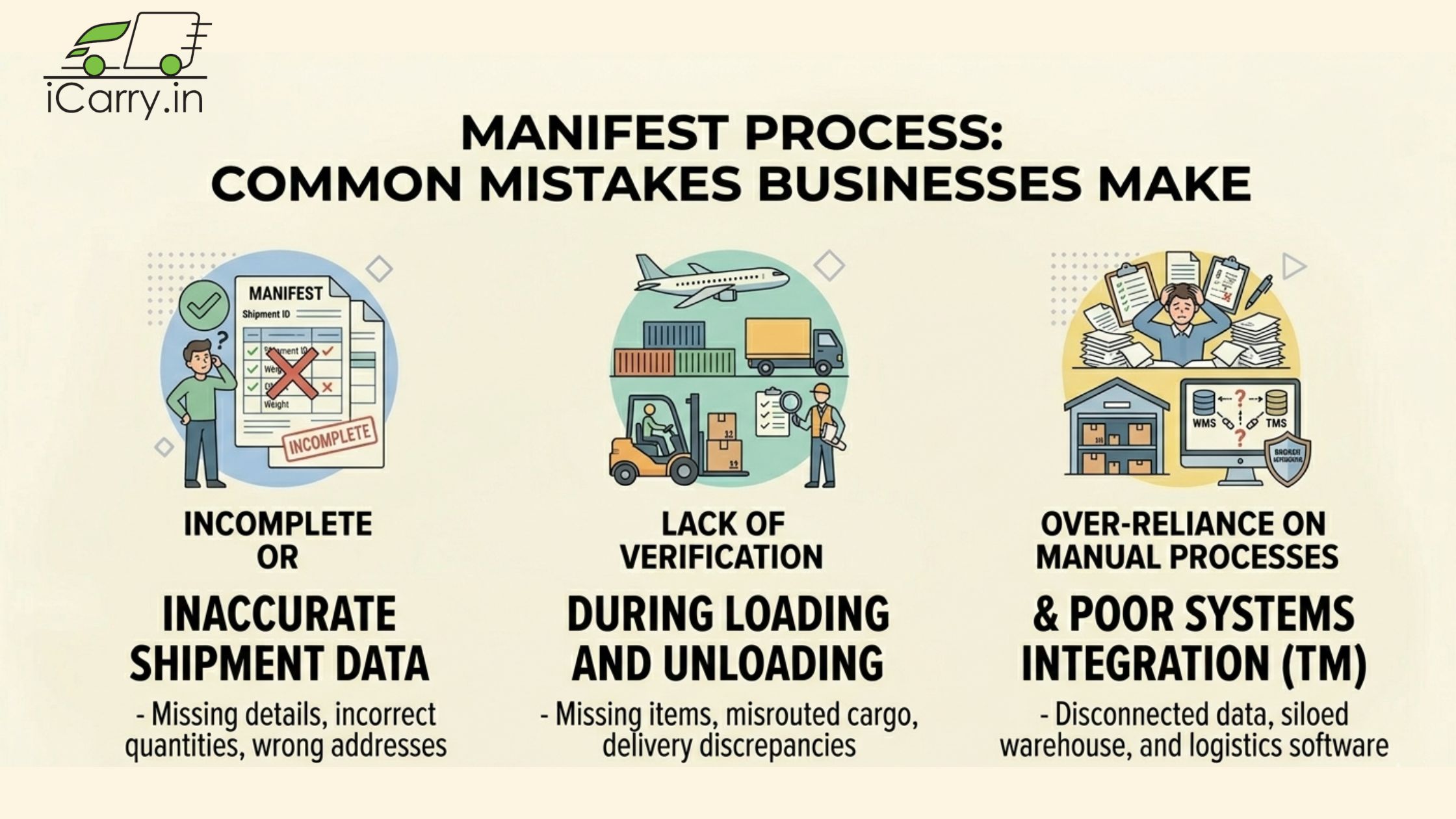
Common Mistakes Businesses Make
Many businesses fail to optimize their manifest processes due to avoidable mistakes. These issues can lead to delays, inaccuracies, and poor customer experience.
Typical mistakes include:
- Incomplete or inaccurate shipment data
- Lack of verification during loading and unloading
- Over-reliance on manual processes
- Poor integration with logistics or warehouse systems
Best Practices for Effective Manifest Management
To ensure accuracy and efficiency, businesses should adopt structured and technology-driven approaches to managing shipping manifests.
Recommended Strategies
1. Use Digital Manifest Systems
Electronic manifests reduce errors and provide real-time visibility across operations.
2. Automate Data Integration
Integrate manifests with warehouse management systems (WMS) and transport systems for seamless workflows.
3. Implement Verification Processes
Always verify shipments during loading and unloading to prevent discrepancies.
4. Standardize Documentation
Use consistent formats across logistics operations to improve coordination and reduce confusion.
Data-Driven Insights in Logistics
Shipping manifests are not just operational tools—they also provide valuable data for improving logistics performance and decision-making.
With the adoption of automation and digital tools, businesses can significantly enhance both efficiency and accuracy in logistics documentation. Global consulting studies from BCG's supply chain practice highlight how automation in supply chain operations improves accuracy, reduces costs, and enhances overall performance.
Conclusion
Shipping manifests are a fundamental component of logistics documentation, enabling businesses to manage large volumes of shipments efficiently. By providing a consolidated view of all shipments in a transport movement, manifests improve operational accuracy, streamline logistics processes, and ensure compliance with regulatory requirements.
For eCommerce businesses and logistics providers, adopting digital manifest systems and standardized documentation practices can significantly enhance shipment tracking, reduce errors, and improve overall supply chain performance.
As logistics operations continue to scale, shipping manifests will remain essential for maintaining efficient and reliable shipment management.
Improve Logistics Efficiency with Smarter Documentation
As shipment volumes grow, managing manifests manually or across disconnected systems becomes difficult. Data mismatches, delays, and lack of visibility often impact operations.
In practice, businesses improve efficiency when shipment tracking, documentation, and courier coordination are handled in a centralized workflow. iCarry helps streamline this by enabling teams to manage shipment data, monitor order movement, and maintain better control over logistics operations without relying on multiple systems.
When shipment data, tracking, and courier coordination are aligned, manifest management becomes faster, more accurate, and easier to scale.
Frequently Asked Questions (FAQs)
What is a shipping manifest?
A shipping manifest is a document that lists all shipments or goods included in a specific transport unit, such as a truck, container, or aircraft.
What information is included in a shipping manifest?
A shipping manifest typically includes shipment IDs, package details, sender and recipient information, and transport details.
What is the difference between a shipping manifest and a bill of lading?
A shipping manifest lists multiple shipments in a transport unit, while a bill of lading serves as a contract of carriage and proof of shipment for individual shipments.
Are shipping manifests required for international shipping?
Yes, shipping manifests are often required for customs clearance and regulatory compliance in international logistics.
What is an electronic shipping manifest?
An electronic manifest is a digital version of a shipping manifest that allows real-time tracking and integration with logistics systems.
How do shipping manifests improve logistics operations?
Shipping manifests improve accuracy, streamline shipment verification, enhance tracking visibility, and reduce operational errors.
A shipping manifest is a logistics document that lists all shipments included in a single transport movement—acting as a master record for tracking, verification, and coordination across courier networks, warehouses, and customs authorities—enabling businesses to manage high shipment volumes efficiently, improve operational accuracy, streamline sorting and delivery processes, ensure regulatory compliance, and reduce errors in eCommerce and international logistics operations.